Cart 0

How Does Native Collagen Treatment Work – Advancements in aesthetic medicine have introduced a wide range of injectable treatments designed to improve skin quality and address signs of aging. Among the most popular options today are growth factors, skin boosters, collagen stimulators, and native collagen. Because these treatments are often delivered through injections, many people assume they work in the same way.
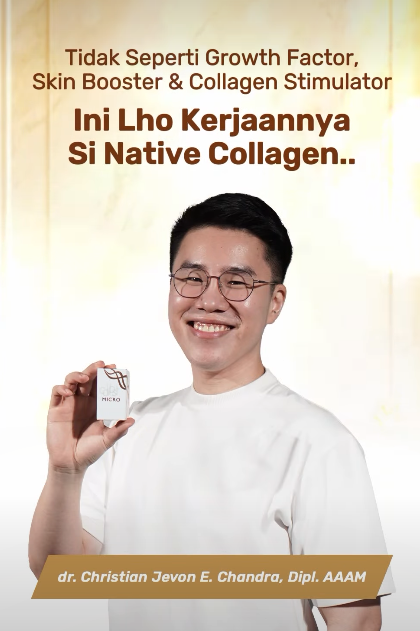
In reality, each treatment has a distinct mechanism of action. In a recent interview with dr. Christian Jevon E. Chandra, Dipl. AAAM (https://www.instagram.com/reels/DZMnIJKz2FF/), the Pyfaesthetic team learned that native collagen works differently from growth factors, skin boosters, and collagen stimulators. Rather than simply signaling skin cells or triggering the body’s repair response, native collagen becomes part of the dermal structure itself. Understanding these differences can help patients make more informed decisions about the treatment that best suits their skin concerns. Learn more through this article.
What Are Growth Factors?
Growth factors are naturally occurring proteins that function as biological messengers within the body to signal tissue repair and regeneration. In aesthetic medicine, they are used to stimulate tissue repair, accelerate skin regeneration, and support healing after procedures such as laser treatments or microneedling.
Growth factors work by sending signals to skin cells that encourage repair and regeneration. Instead of becoming part of the skin’s structure, they activate the body’s natural healing mechanisms and promote cellular activity.
Because their effectiveness depends on each individual’s biological response, treatment outcomes may vary based on factors such as age, skin condition, and the body’s regenerative capacity.
Growth Factors and Native Collagen: What’s the Difference?
During the interview with dr. Christian Jevon, it was emphasized that native collagen functions differently from growth factors. While growth factors send biological signals that encourage damaged skin cells to repair themselves, native collagen becomes part of the skin’s internal dermal framework.
Collagen is the primary structural protein responsible for maintaining the skin’s firmness, elasticity, and overall integrity. As natural collagen levels decline with age, the skin gradually loses its strength, leading to wrinkles, sagging, and changes in texture.
Using a collagen replacement approach, native collagen provides a biological scaffold that supports the dermis and helps create a healthier environment for the skin. Rather than stimulating cells through signaling pathways alone, it focuses on reinforcing the skin’s structural foundation.
How Is Native Collagen Different from Skin Boosters?
Skin boosters have become increasingly popular because they provide noticeable improvements in skin hydration and radiance.
Skin boosters typically contain hyaluronic acid or a combination of hydrating ingredients that are injected into the dermis. Their primary purpose is to increase moisture and hydration levels within the skin, resulting in a smoother, plumper, and more radiant complexion.
As explained by dr. Christian Jevon, native collagen works at a deeper structural level than skin boosters. While skin boosters primarily improve hydration and surface skin quality, native collagen is intended to support the dermal framework, creating a healthier environment where the skin’s own collagen network can function more effectively.
In other words, the two treatments serve different purposes. Skin boosters focus on hydration and improving the skin’s appearance, whereas native collagen targets the deeper structural support of the dermis.
How Does It Compare with Collagen Stimulators?
Collagen stimulators are injectable products designed to encourage the body to produce more collagen over time. The two most common examples include products containing poly-L-lactic acid (PLLA) and calcium hydroxylapatite (CaHA).
Collagen stimulators work by creating a biological response within the tissue that activates fibroblasts, or the cells responsible for collagen production. Because this process depends on the body’s natural healing response, visible improvements typically develop gradually over several weeks or even months.
Dr. Christian Jevon explained that native collagen follows a different mechanism. Rather than inducing inflammation to stimulate collagen production, native collagen aims to improve the overall environment where collagen naturally forms. As a result, patients may notice immediate structural benefits after injection because the collagen itself becomes part of the dermal architecture instead of simply triggering the body to create new collagen later.
Which Treatment Is Better?
There is no single treatment that is universally better than the others. The most appropriate option depends on an individual’s skin condition, age, aesthetic goals, and the specific concerns being addressed.
Growth factors are commonly used to promote tissue repair and enhance skin regeneration. Skin boosters are ideal for improving hydration, radiance, and overall skin texture. On the other hand, collagen stimulators are generally selected when the goal is to gradually increase the body’s own collagen production over time.
Native collagen offers a different regenerative approach by supporting the dermal structure through collagen replacement, helping create a healthier environment within the skin. Since each treatment works through a unique biological pathway, consulting a qualified physician is essential to determine the most suitable option for each patient.
Read More:
- https://pyfaesthetic.com/all-about-collost-the-masterpiece-of-native-collagen-type-i/
- https://pyfaesthetic.com/collost-micro-the-secret-behind-radiant-skin/
Conclusion
Although growth factors, skin boosters, collagen stimulators, and native collagen all aim to improve skin quality, they achieve this through different biological mechanisms. Growth factors act as signaling proteins that encourage cellular repair, skin boosters primarily enhance hydration, and collagen stimulators gradually promote new collagen production through the body’s natural response.
Native collagen differs by becoming part of the dermal structure itself, helping create a healthier environment for long-term skin support and regeneration. Understanding these distinctions can help patients choose a treatment approach that aligns with their individual skin needs and aesthetic goals.
Sources:
- https://www.instagram.com/reels/DZMnIJKz2FF.
- https://www.medik8.com/pages/everything-you-need-to-know-about-growth-factors?srsltid=AfmBOoolbDdLIgQO2XCpBOXoFUdL0Jffqb2Vnhm_Plyf_gA9hw9VJ3Xz.
- https://www.vogue.com/article/skin-booster.
- https://www.novuskin.com/collagen-stimulator-injections-guide.